Universal recall across every tool you use
Why one memory graph across ChatGPT, Claude, Cursor, terminals, and workflows removes repeated setup and keeps outputs consistent.
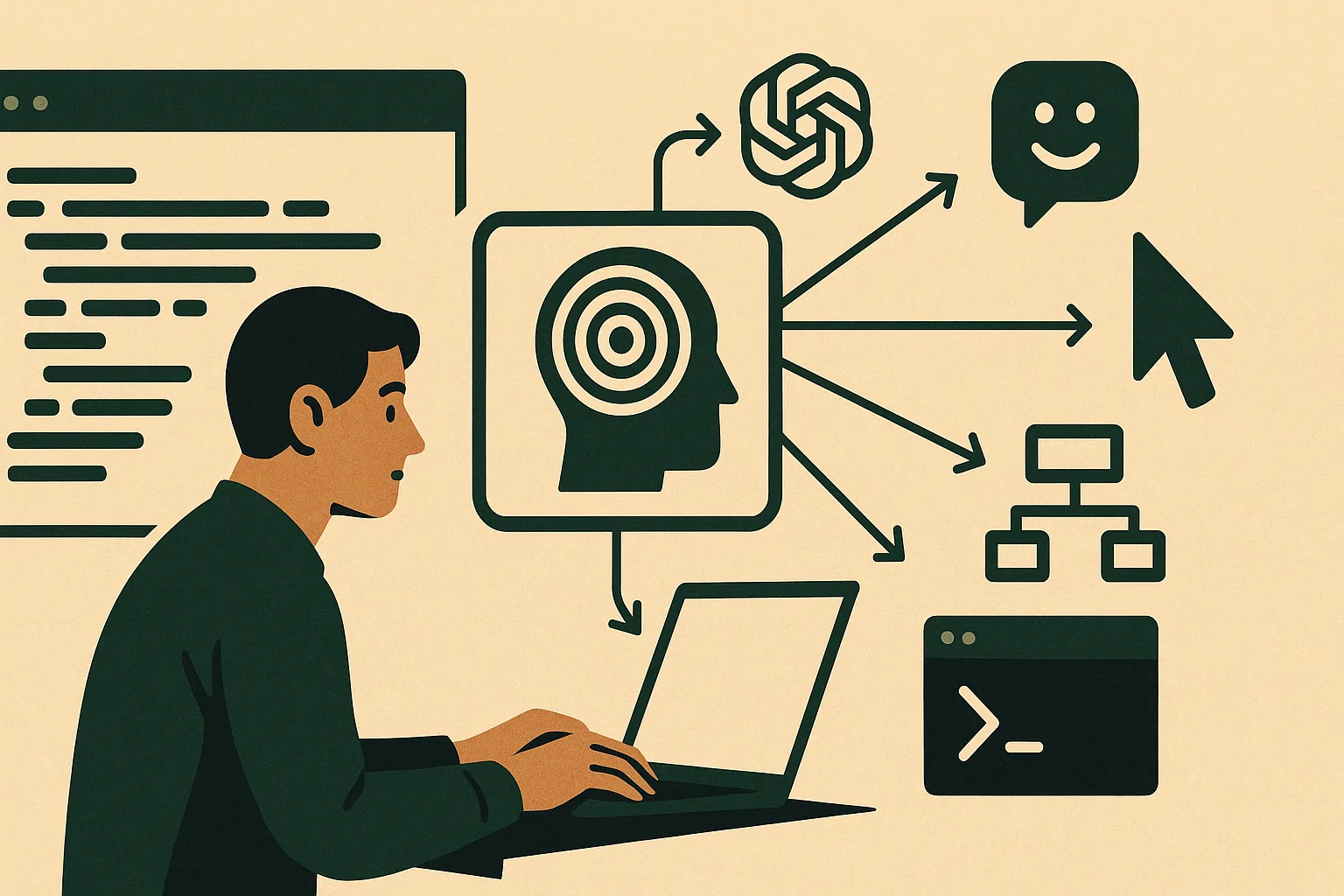
The biggest AI productivity loss in teams is not model quality.
It is context re-explanation.
You tell one assistant how your architecture works, then repeat it in another tool, then restate it again in a coding session. Each surface has partial memory, and outputs drift because no tool sees the full durable context.
Universal recall fixes this by moving memory out of any single surface.
What "universal recall" means
One memory graph stores:
- project decisions
- preferences and conventions
- workflow constraints
- durable historical context
Every connected client (chat, IDE, CLI, automation) queries the same graph under scope controls.
The model changes. The memory substrate does not.
Shared recall turns repeated re-briefing into one-time memory capture.
Why this improves consistency
Without shared memory:
- each client develops its own accidental "truth"
- contradictions accumulate across surfaces
- engineers spend time reconciling assistant outputs manually
With shared recall:
- guidance is coherent across tools
- decisions propagate once instead of being retyped
- behavior becomes explainable because retrieval is centralized
High-leverage use cases
Engineering handoffs
Start a task in chat, continue in IDE agent, finish in CLI automation without losing project-specific constraints.
Cross-functional planning
Product, GTM, and support assistants reference the same strategic memory so messaging and priorities stay aligned.
Long-running research
Months of findings remain queryable without giant prompt dumps.
Design principles that make it work
- shared IDs and metadata for all memory records
- strict scope boundaries to prevent irrelevant recall
- audit trails for recall and mutation events
- transport-agnostic interfaces (MCP + API)
Universal recall is not "store everything forever." It is "store durable signal once, retrieve the right slice everywhere."
A simple adoption path
- Start with one team memory graph
- Connect two primary surfaces (for example chat + IDE)
- Enforce query-first behavior for substantive tasks
- Add scoped policies and recall audits
- Expand to automations and runtime services
The win is not bigger context windows.
The win is a single memory system that follows your work across every surface you use.