Build on the Empirical memory API in minutes
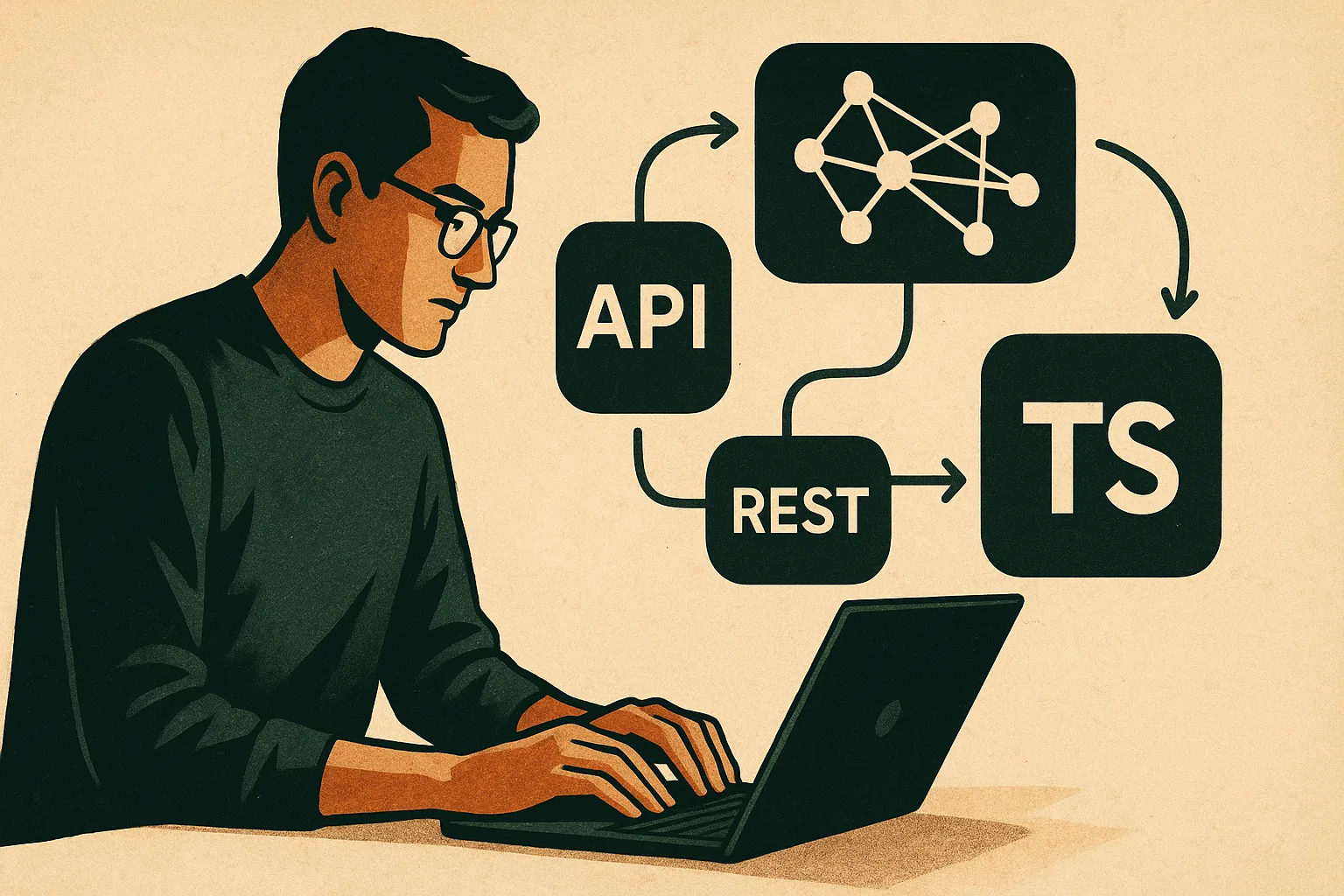
A developer-grade memory API means MCP, REST, and TypeScript paths that are production-usable without custom glue.
Most "memory-enabled AI" demos die in week two for one reason: integration friction.
If the memory surface is inconsistent, teams stop wiring it into real workflows and fall back to static prompts. A developer-grade memory API should feel boring in the best way: predictable payloads, stable auth, and clear failure modes.
What developer-grade actually means
A memory platform is production-ready when it gives you:
- deterministic request/response shapes
- transport flexibility (agent-native and service-native)
- reliable auth for both humans and runtimes
- migration-safe semantics (stable IDs, versioned records)
- observability hooks from day one
If any of those are missing, your integration cost multiplies every quarter.
Reliability is the feature that makes everything else shippable.
Three integration paths, one memory graph
1) MCP for agent workflows
Use MCP when your primary client is an AI assistant (CLI or IDE).
You get tool-level memory reads/writes directly in agent flows without custom wrappers.
2) REST for service-to-service operations
Use REST when backend services need to persist or query memory as part of orchestration logic, scheduled jobs, or product APIs.
3) TypeScript for app teams
Use TypeScript wrappers to keep app-layer code typed and readable, especially when memory data is part of UI or product-side decisioning.
The key is not picking one path. The key is all paths resolving to the same underlying memory system.
A practical rollout pattern
Teams that ship fastest usually stage integration:
- Start with recall-only in one assistant flow
- Add write paths for durable decisions/preferences
- Introduce scoped retrieval by workspace/project
- Move high-value product events into structured memory writes
This avoids giant one-shot migrations while still producing visible value in the first week.
Common mistakes to avoid
- Overloading memory with raw logs: memory should capture durable signal, not exhaust data
- Mixing auth modes ad hoc: decide OAuth strategy early for both user and runtime paths
- Skipping schema discipline: "flexible JSON everywhere" creates query debt fast
- Ignoring token footprint: retrieval quality includes payload size, not just relevance score
What you unlock when the API is stable
- assistants that stay consistent across sessions and tools
- product features that reuse context instead of rebuilding it per surface
- safer model switching because context no longer lives in one vendor UI
- faster incident resolution through auditable recall and mutation history
Memory becomes infrastructure when teams can depend on it like any other critical API: not because it's flashy, but because it is reliable under load.